What is Vibe Coding? The AI-First Revolution Explained
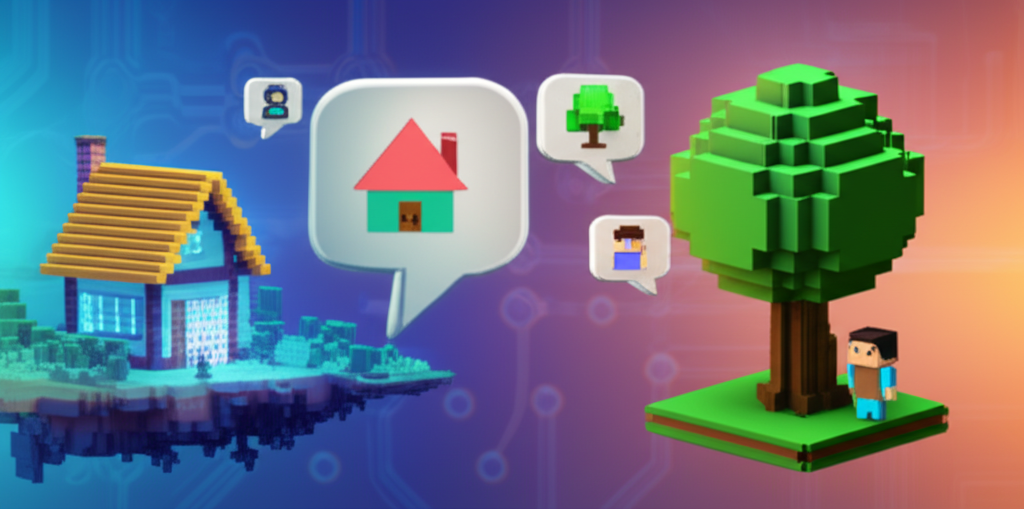
In early 2025, Andrej Karpathy—former director of AI at Tesla, founding member of OpenAI, and one of the most respected voices in machine learning—posted something that made software developers pause: a new term for a new way of building software. Vibe coding.
"There's a new kind of coding I call 'vibe coding', where you fully give in to the vibes, embrace exponentials, and forget that the code even exists."
This wasn't a joke. Karpathy was describing how he actually builds software now—and how millions of others are starting to build too.
What is Vibe Coding?
Vibe coding is a development approach where you describe what you want in natural language, and AI generates the code. You focus on the intent, the design, the user experience—the "vibes"—while AI handles the implementation details.
Key characteristics:
- Natural language as the primary interface. You write what you want, not how to do it.
- Iteration over specification. You try things, see results, adjust—instead of planning everything upfront.
- Code becomes a byproduct. You may never look at the underlying code. It just works (or you describe what to fix).
- Speed over perfection. Getting to "something working" in minutes instead of days or weeks.
How Vibe Coding Works
The typical vibe coding workflow:
- Describe what you want. "Build a web form that collects email addresses and saves them to a database."
- AI generates code. A complete implementation appears—frontend, backend, database schema.
- Test and observe. Run it. See what works, what doesn't.
- Iterate with more descriptions. "The button should be blue. Add validation for email format. Show a success message."
- Repeat until satisfied. Each iteration takes seconds or minutes, not hours.
The Tools Enabling Vibe Coding
Cursor
An AI-native code editor that understands your entire codebase. You can describe changes in natural language and Cursor modifies the code for you.
Claude and ChatGPT
Large language models that can generate complete codebases from descriptions. Claude 3.5 Sonnet is particularly noted for producing high-quality, working code.
Vibeforge
For game and server creation specifically—describe a Minecraft-style world, and get a playable experience without writing code.
The Limitations (Honest Assessment)
Vibe coding isn't magic, and it has real limitations:
- The 66% productivity tax. Research suggests AI-generated code sometimes takes longer to debug than to write from scratch, especially for complex systems.
- Works best for common patterns. Novel architectures or cutting-edge requirements may confuse AI.
- You still need to think. Vibe coding doesn't eliminate the need to understand what you're building—it just changes how you build it.
- Debugging can be tricky. When AI-generated code breaks, you may need to understand code to fix it.
Who Benefits Most from Vibe Coding?
- Founders with ideas but no technical co-founder. Build MVPs without hiring developers.
- Experienced developers who hate boilerplate. Let AI handle the repetitive stuff.
- Hobbyists with creative visions. Build games, tools, and projects that were previously out of reach.
- Educators and students. Learn by building, with AI as a patient tutor.
Getting Started with Vibe Coding
Want to try vibe coding for game creation?
Join the Vibeforge waitlist and build your own Minecraft-style world without writing a single line of code.
Ready to build a server or world?
Join the waitlist for early access. Pick a workload, start from a template, and iterate by chatting.